
Premium Calcium Source for Agricultural & Industrial Applications
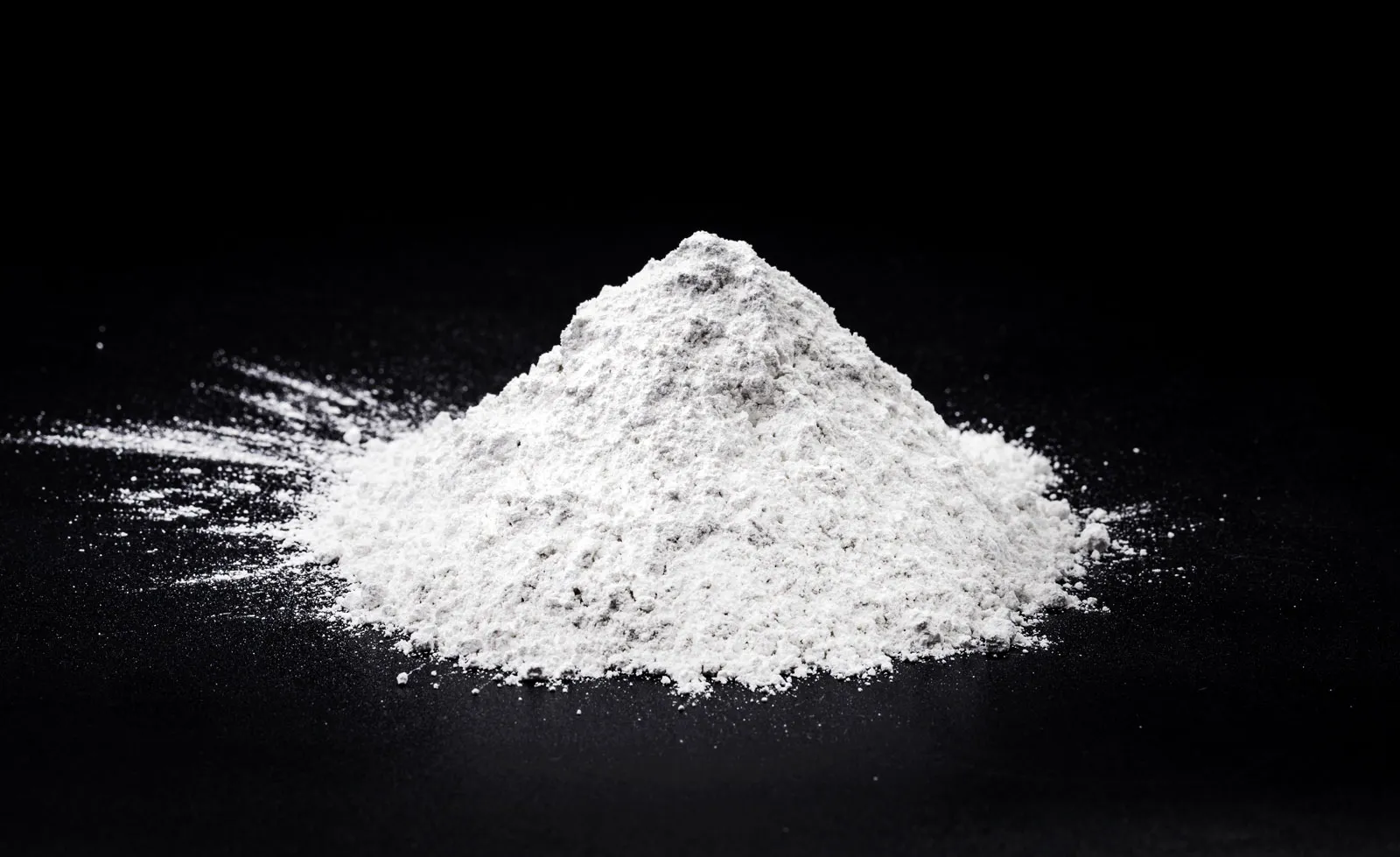
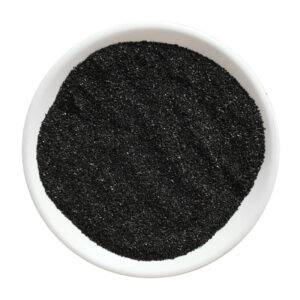
Calcium Oxide Powder, also known as quicklime or burnt lime, has several applications and uses in the construction industry.
Here are some common applications of calcium oxide powder in ingredient in the production of cement. It is combined with silica, alumina, and iron oxide to form calcium silicates and aluminates, which are essential components of cement. The resulting mixture is heated to high temperatures to produce clinker, which is then ground to produce cement.
Soil Stabilization: Calcium oxide powder is used in soil stabilization processes to improve the engineering properties of soils. It can be mixed with clayey or expansive soils to reduce their plasticity and increase their load-bearing capacity. The addition of calcium oxide can help stabilize the soil, making it suitable for construction purposes.
Desiccant: Calcium oxide powder is an effective desiccant, meaning it can absorb moisture from the air. In construction, it is used to dry out damp areas or materials, such as walls, floors, or building materials like bricks. By absorbing excess moisture, calcium oxide helps prevent the growth of mold and deterioration of construction materials.
pH Adjustment: Calcium oxide powder is often employed for adjusting the pH of soils and water in construction projects. It can be used to neutralize acidic soils or water, creating a more favorable environment for construction activities. Proper pH levels are crucial for the stability and longevity of concrete structures.
Waste Treatment: Calcium oxide powder is utilized in waste treatment processes to treat and stabilize various types of waste materials. It can be used to neutralize acidic or hazardous waste substances, thereby reducing their harmful effects on the environment. Calcium oxide helps in solidifying and immobilizing waste for safe disposal.
Flue Gas Desulfurization: Calcium oxide is used in flue gas desulfurization systems to remove sulfur dioxide (SO2) from the emissions of power plants and industrial facilities. The calcium oxide reacts with the SO2 to form calcium sulfate, a solid precipitate that can be easily removed. This process helps reduce air pollution and comply with environmental regulations.
Mortar and Plaster: Calcium oxide powder can be added to mortar and plaster mixes to enhance their workability and increase their strength. It improves the bonding between the aggregates and helps in achieving better adhesion to various surfaces. Calcium oxide also contributes to the hydration process of cement in the mixture.
Calcium Oxide Powder, also known as quicklime or burnt lime, has various uses beyond construction.
Here are some common applications of calcium oxide powder in other fields:
Steel Manufacturing: Calcium oxide is used in the production of steel as a fluxing agent. It helps remove impurities such as silica, phosphorus, and sulfur from the iron ore during the steelmaking process.
Product Specifications
| Property | Specification |
|---|---|
| Chemical Formula | CaCO₃ |
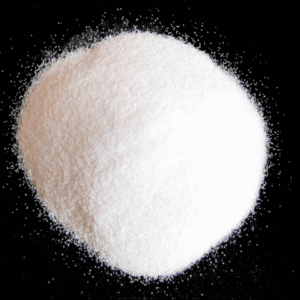
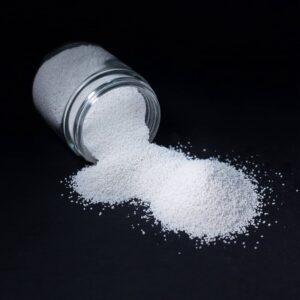
| Appearance | White crystalline powder or granules |
| Purity | ≥ 95% CaCO₃ (Industrial), ≥ 98% (Food), ≥ 99% (Pharmaceutical) |
| Calcium Content | 40% Ca (theoretical) |
| Moisture Content | ≤ 0.5% maximum |
| Solubility | 0.013 g/L in water at 25°C |
| pH (10% Slurry) | 8.5 – 10.5 |
| Particle Size | 200-3000 mesh (various grades available) |
| Packaging | 25 kg bags, 50 kg bags, 1000 kg big bags |
Applications of Calcium Carbonate
 Agricultural Applications
- Soil pH adjustment and lime replacement for acidic soils
- Calcium nutrition for field crops, fruits, and vegetables
- Animal feed supplement for poultry, livestock, and aquaculture
- Organic farming as approved soil amendment
Food Processing Industry
- Food fortification for calcium enrichment in beverages and cereals
- Baking applications as dough conditioner and leavening agent
- Dairy industry for calcium supplementation in milk products
- Nutritional supplements manufacturing for human consumption
Pharmaceutical Manufacturing
- Tablet production as excipient and active ingredient
- Antacid formulations for stomach acid neutralization
- Calcium supplements for bone health and osteoporosis prevention
- Pharmaceutical coatings for controlled-release formulations
Plastics & Rubber Industry
- Polymer filler for cost reduction and property enhancement
- PVC applications for improved processability and durability
- Rubber compounding for reinforcement and cost optimization
- Masterbatch production for consistent color and properties
Paper Manufacturing
- Paper filler for brightness and opacity improvement
- Coating applications for high-quality printing papers
- pH buffering in paper production processes
- Ink absorption enhancement in newsprint and magazines
Paint & Coatings Industry
- Pigment extender for improved coverage and durability
- Architectural paints for enhanced hiding power
- Industrial coatings for corrosion protection
- Primer formulations for improved adhesion
Construction & Building Materials
- Cement production as raw material for clinker manufacturing
- Concrete applications for improved workability and strength
- Sealants and adhesives for enhanced properties
- Decorative plasters and architectural finishes
Benefits of Calcium Carbonate
 High Calcium Content
Contains 40% elemental calcium (theoretical), providing concentrated nutrition for plants and animals with minimal application volume.
pH Buffering Capacity
Excellent alkalizing properties for soil pH adjustment and acid neutralization in various industrial processes.
Chemical Inertness
Stable compound that doesn’t react with most chemicals, ensuring consistent performance in diverse applications.
Cost-Effective Solution
Abundant natural mineral offering excellent value for money across agricultural and industrial applications.
Multiple Particle Sizes
Available in various mesh sizes from coarse to ultrafine to meet specific application requirements.
Food Safe Options
Food-grade and pharmaceutical-grade specifications available for human consumption applications.
Agricultural Benefits & Plant Nutrition
Calcium Functions in Plants
- Cell wall formation providing structural integrity to plant tissues
- Enzyme activation supporting metabolic processes
- Nutrient transport facilitating movement of other nutrients
- Root development promoting healthy root system growth
Soil Improvement Benefits
- pH adjustment converting acidic soils to optimal growing conditions
- Aluminum toxicity reduction in acid soils
- Soil structure improvement through flocculation
- Microbial activity enhancement for nutrient cycling
Crop Quality Enhancement
- Fruit quality improvement in apples, tomatoes, and stone fruits
- Storage life extension through stronger cell walls
- Disease resistance enhancement through improved plant structure
- Nutrient uptake optimization for other essential elements
Deficiency Prevention
- Blossom end rot prevention in tomatoes and peppers
- Bitter pit reduction in apples
- Tip burn prevention in lettuce and leafy vegetables
- Calcium deficiency correction in high-value crops

Reviews
There are no reviews yet.