Sodium Sulphide (Na2S) – Yellow Flake or “Zirnikh,” composed of the Na2S formula, is a multipurpose substance. This chemical compound is utilized in the manufacture of rubber chemicals, sulfur dyes, and oil recovery, as well as in the pulp and paper industry, and several chemical manufacturing processes. Given this information, we understand the inseparable role of this substance in diverse sectors. So, the desire for a flawless sodium sulphide manufacturer, supplier, and exporter is undeniable.
Using Iran sodium sulphide in this situation makes sense to favor of its professional chemical exporters. Numerous sodium sulphide suppliers are available in this country that produce high-quality products. JAM Group Co.stands out among the leading sodium sulphide manufacturers in the area. Costumers from the middle east or other regions worldwide can rely on a flawless supply chain represented by this sodium sulphide supplier. So, please keep in touch with our experts about all you ache to know, from the Sulfidization process to confusing issues about Na2S.
What is Sodium Sulphide?
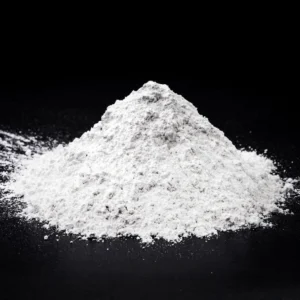
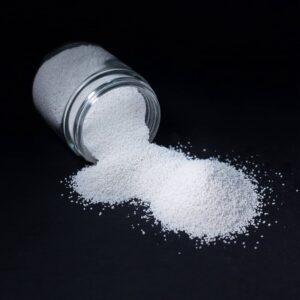
The Turkish term, Zirnikh, or more famous ones like Sodium Sulphide and Sodium Sulfide, all refer to the same chemical product. It is essential to understand that The chemical compound with the formula Na2S, or more often its hydrate Na2S9H2O, is the sodium sulfide we are discussing. The salts are both colorless solids when it comes to hydrated and anhydrous. They dissolve in water and produce extremely alkaline solutions. Good to know that Hydrogen sulfide, a highly toxic, explosive, and corrosive gas with the odor of rotten eggs, is released when Na2S and its hydrates are exposed to damp air.
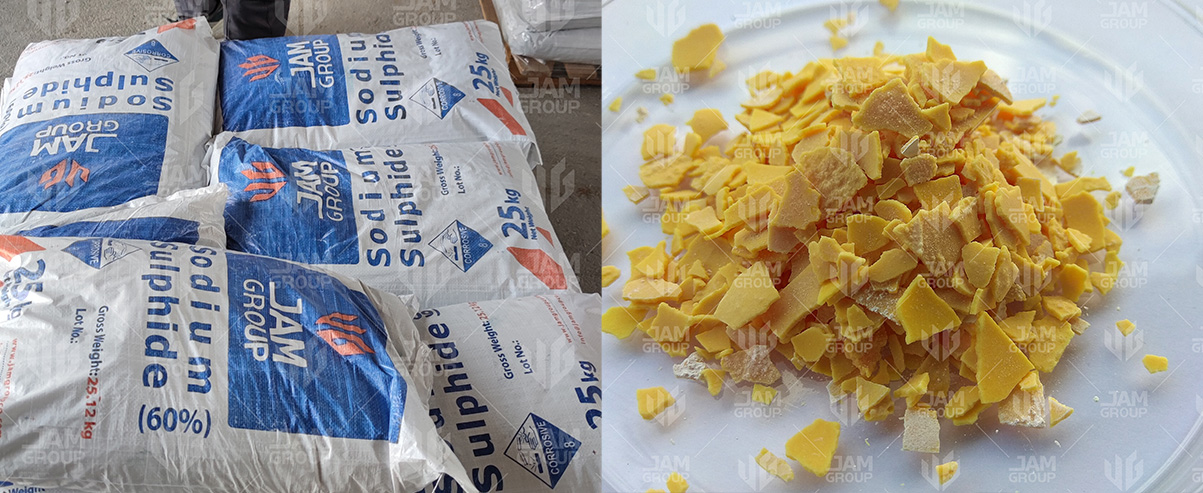
Zirnikh, like sodium hydrogen sulfide (NaSH) is a product based on sodium sulfate with distinct balances in its ingredients. It is made by reducing sodium sulfate with coal, lignite, natural gas, hydrogen, or other reductants at temperatures above 950°C in relatively straightforward fusion furnaces. The reaction conditions must be carefully managed to obtain an essentially pure product, reduce the amount of unreacted sodium sulfate, and prevent the creation of additional sulfur and carbonate compounds. Depending on the product, it is either dissolved and then further refined or pulled off as a melt, hardened, and sold as-is. The tanning sector, where high purity is not necessary, makes use of a crude sodium sulfate raw material, which is where it finds its most significant application.
Different Grades of Sodium Sulphide
It is vital to have a general understanding of sodium sulfide grades and subtypes before discussing processes such as sulphidisation and sulfidization. Remember, The majority of laboratory chemicals are labeled with a grade, which typically denotes the chemical’s purity. Although there are numerous standards used in grading, you are most likely to come across the ACS, Reagent Grade, and Laboratory Grades. Everyone in the custody supply chain should recognize and understand the different classes of chemicals and their uses provided by sodium sulphide suppliers. When manufacturing a solution, the maker must first assess what degree of chemical purity is needed based on the intended usage.
Keep in mind that Zirnikh, based on its firmness, is divided into two general categories: liquid and solid. There are also other grades of this product with different sodium levels; for instance, some qualities contain up to 60% Na2S while others hold less than 30 percent.
Liquid Sodium sulphide
Mineral processing and manufacturing of Zirnikh do not always result in a stable shape of this chemical product. It is essential to know that Sodium sulfide (Na2S) cubic crystals are highly hygroscopic by nature and turn brown when exposed to air. Na2S is not soluble in ether but water and alcohol to a lesser extent. Na2S aqueous solutions have a high alkaline pH.
Solid Sodium Sulphide
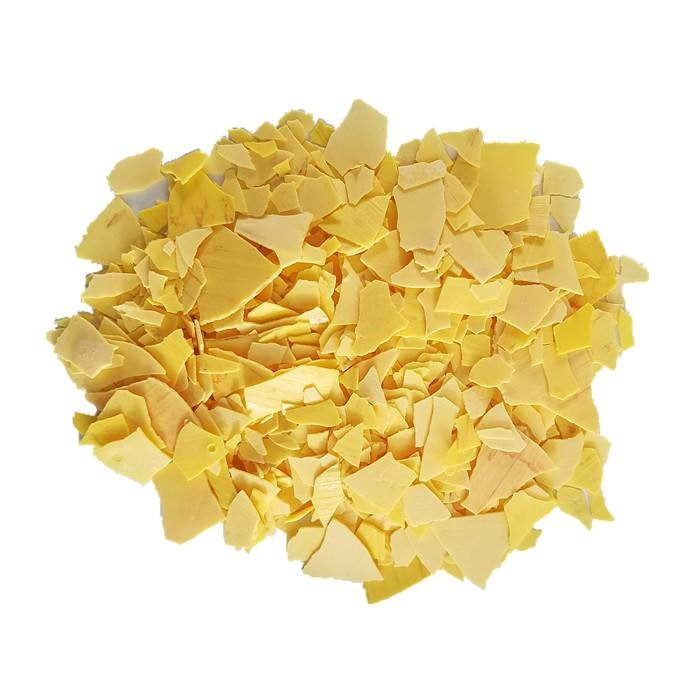
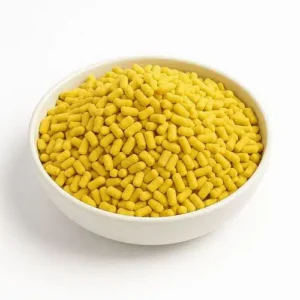
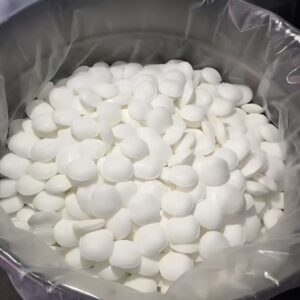
As previously mentioned, solid sodium sulfide grade is a yellow to brick red crystalline mass, fused flake substance with a stench of rotten eggs. It is susceptible to spontaneous heating when exposed to damp air, which could set off neighboring combustible materials. It takes in moisture from the atmosphere. Keep in mind that chemical suppliers refer to this grade as a richer source of sodium than the liquid ones which is used in particular industries.
Sodium Sulfide Production Process
Chemical procedures such as Floatation or, more specifically, sodium sulphide floatation should be accomplished under the eye of experienced chemists to best results come to the hand. In every case, sodium sulfate is reduced to form sodium sulfide. This reduction is often made using carbon, but it can also be done with hydrogen and other reducing gases.
Reviews
There are no reviews yet.